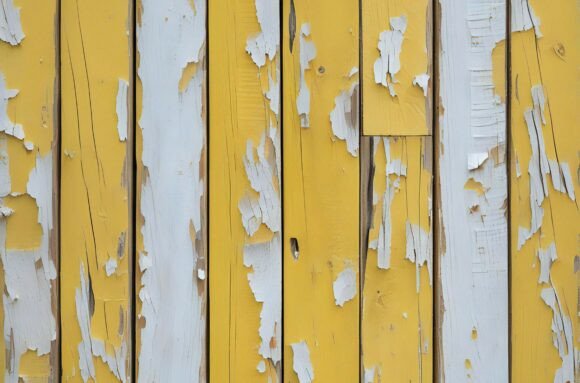
A Close Up of a Yellow and White Wood
For creators, designers, and entrepreneurs, finding the right visual elements can make all the difference in how a project is perceived. A Close Up of a Yellow and White Wood offers a versatile and striking background that can elevate a wide range of creative endeavors. Whether you're working on digital art, web design, social media graphics, or printable projects, this high-quality image provides a professional and elegant foundation.
This downloadable JPG file, with its resolution of 4736 x 2688 pixels, is designed to meet the needs of both print and digital applications. Its vibrant colors and natural texture make it ideal for backgrounds that require a touch of warmth and sophistication. From business cards to presentations, this image can add a refined aesthetic that complements various design styles.
Misconceptions and Common Mistakes
Despite its appeal, some users may overlook key details when selecting or using A Close Up of a Yellow and White Wood. One common mistake is assuming that all high-resolution images are equally suitable for every project. While this image is print-ready and web-ready, its specific color balance and texture may not align with every design vision. For instance, if your project requires a more muted or abstract background, this image might not be the best fit.
Another frequent error is not verifying compatibility with design software. Although this image works with major tools like Photoshop, Illustrator, Canva, and Procreate, some users may encounter issues if they’re using older versions or less common platforms. Always check system requirements before downloading or integrating the image into your workflow.
How These Mistakes Affect Outcomes
Choosing an image that doesn’t match your project’s needs can lead to inconsistencies in branding or visual communication. For example, if you’re creating a modern, minimalist design, a highly textured background might clash with the intended style. This can result in a less professional appearance and reduce the effectiveness of your message.
Additionally, failing to test the image across different devices or print formats can cause unexpected results. A close-up of yellow and white wood might appear differently on a screen compared to a printed material, especially if the color profile isn’t optimized. This can lead to dissatisfaction with the final output and additional costs for revisions.
Practical Tips for Better Results
To avoid these pitfalls, start by clearly defining your design goals. Ask yourself: What mood or message do I want to convey? What style will resonate with my audience? Once you have a clear direction, review the image’s characteristics to ensure it aligns with your vision.
Before downloading, check the file format and dimensions. While JPG is widely supported, consider whether a PNG version might offer better transparency options if needed. Also, verify that the image’s aspect ratio matches your project’s requirements to prevent cropping or distortion.
When using the image in design software, experiment with layer blending modes or opacity settings to see how it interacts with other elements. This can help you achieve a more cohesive look without overwhelming the composition.
What to Check Before Using A Close Up of a Yellow and White Wood
Before incorporating A Close Up of a Yellow and White Wood into your work, consider the following:
- License and Usage Rights: Ensure you have the proper permissions to use the image for your intended purpose, especially if it’s for commercial or public-facing projects.
- Color Profile: Check if the image uses sRGB or CMYK color profiles, as this affects how it appears on screens versus in print.
- File Size: Confirm that the file size is manageable for your workflow, especially if you’re working with limited storage or bandwidth.
- Image Quality: Preview the image at different sizes to ensure it remains sharp and detailed when scaled up or down.
Realistic Examples and Better Approaches
Imagine you’re designing a set of social media posts for a boutique clothing brand. The brand’s aesthetic is clean and modern, so a bold, textured background might not fit. In this case, you could adjust the image’s brightness or apply a subtle overlay to soften its impact while maintaining its visual interest.
Alternatively, if you’re creating a presentation for a client, you might use the image as a subtle backdrop behind text. By reducing its opacity and adding a semi-transparent gradient, you can maintain the image’s elegance without distracting from the content.
Conclusion: Make Informed Choices
A Close Up of a Yellow and White Wood is a valuable resource for creatives looking to enhance their designs. However, its success depends on thoughtful selection and application. By understanding its strengths, limitations, and potential challenges, you can make informed decisions that improve the quality and effectiveness of your work.
Take the time to evaluate your needs, test the image in your workflow, and explore different ways to incorporate it. With the right approach, this background can become a powerful tool in your creative arsenal.